EN
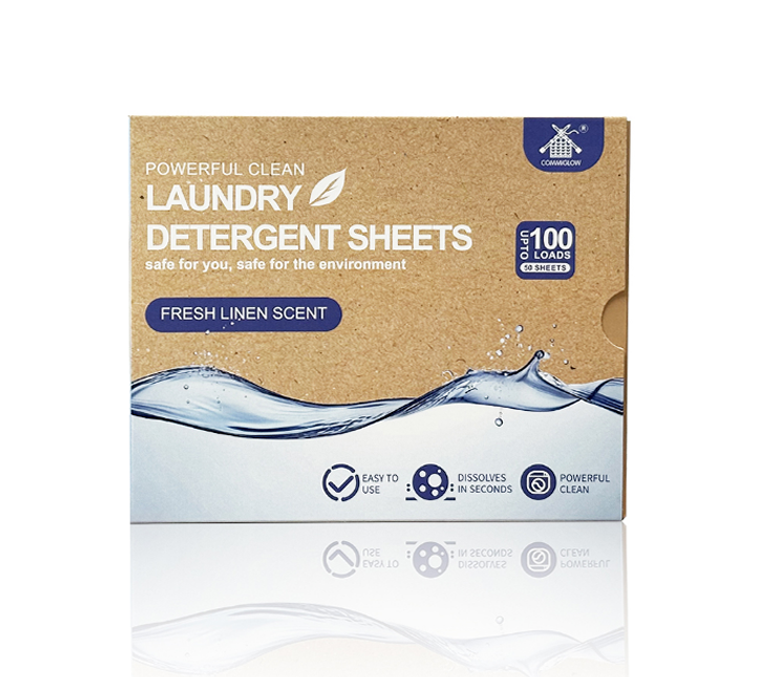
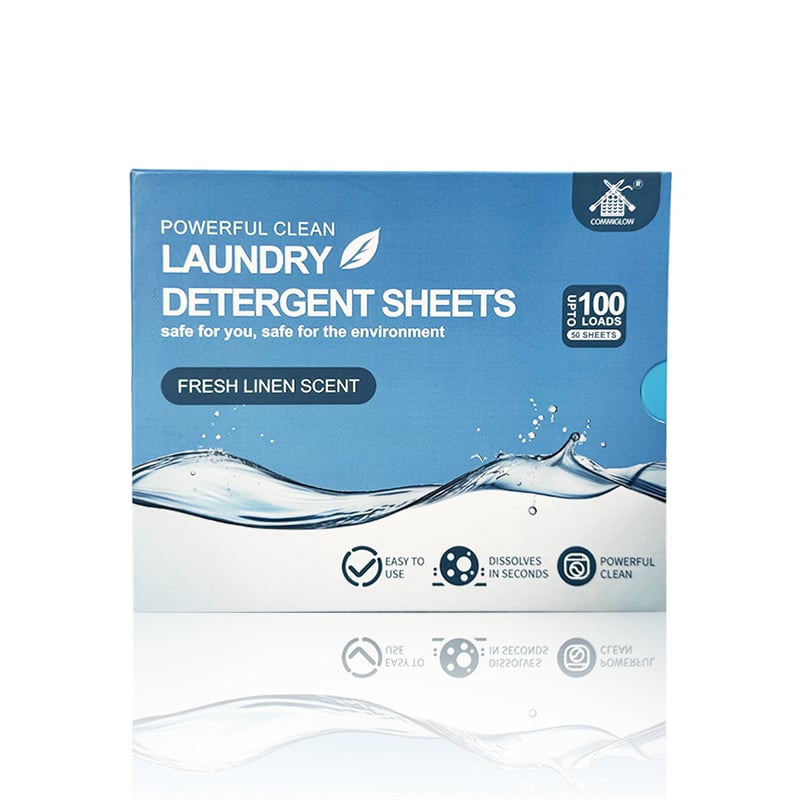
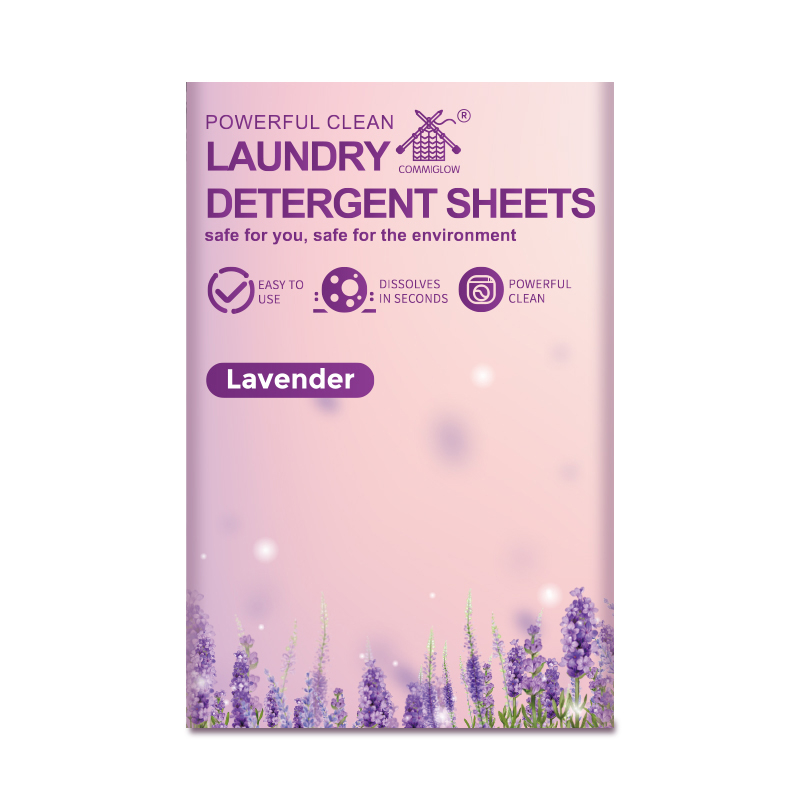
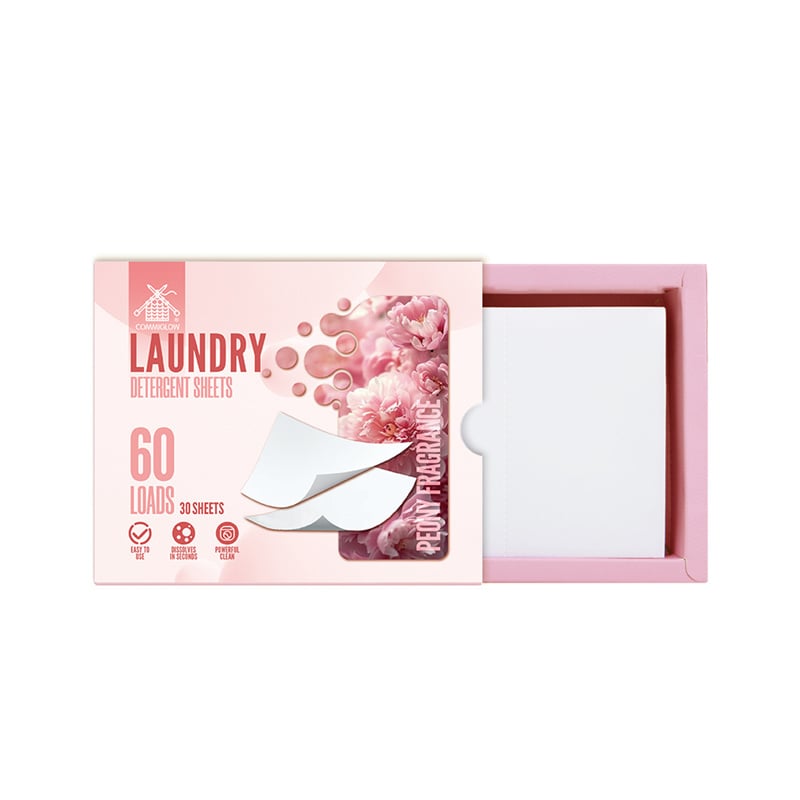
Plant-based laundry detergent sheets are an innovative, eco-friendly solution for cleaning that combines convenience with sustainability. These compact sheets dissolve in water, providing a powerful cleaning action without harsh chemicals or excessive packaging waste. As businesses increasingly prioritize sustainability in their operations, understanding the benefits and applications of plant-based laundry detergent sheets is crucial for purchasing managers, engineers, and procurement specialists. This article delves into key considerations for sourcing these products, their cost factors, industrial applications, comparisons with conventional detergents, and quality evaluation methods.

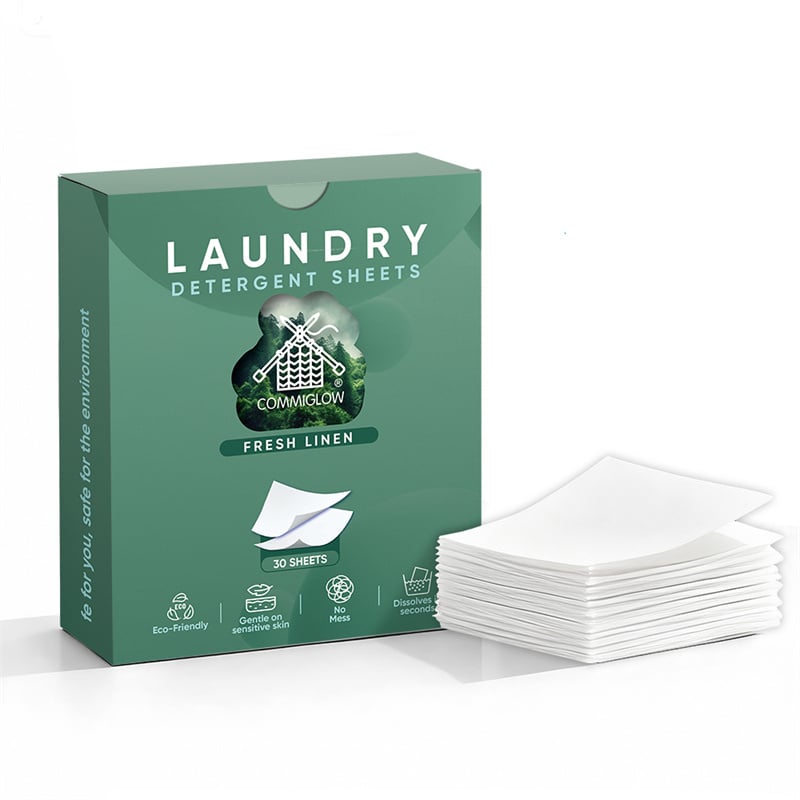
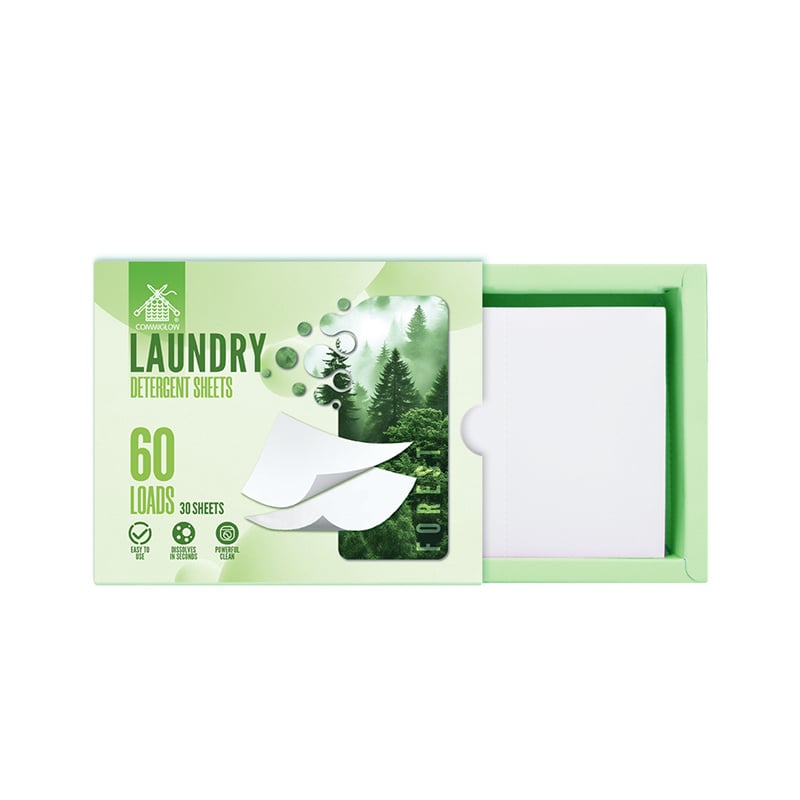
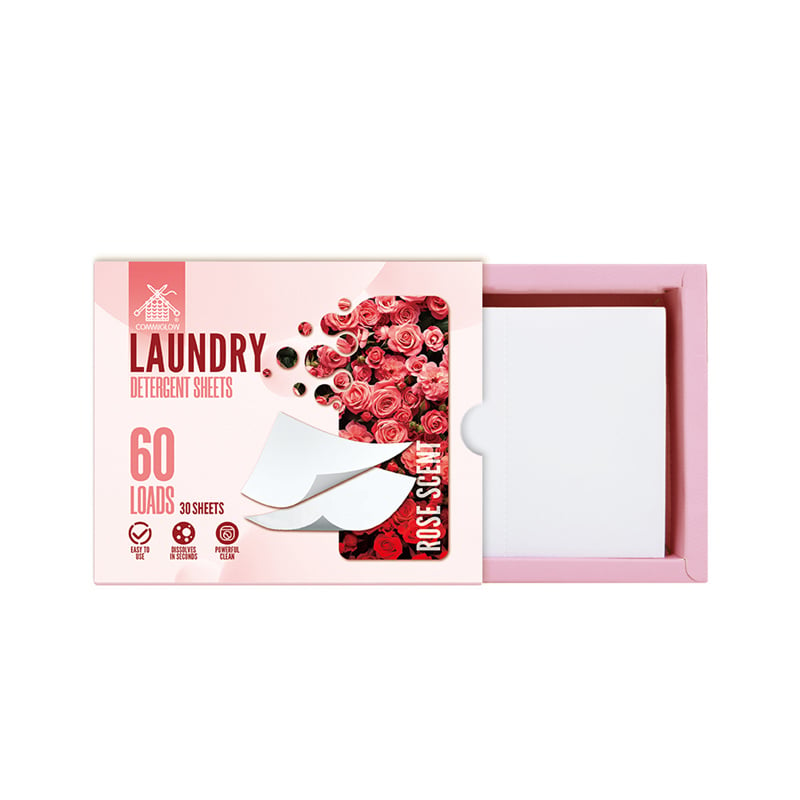
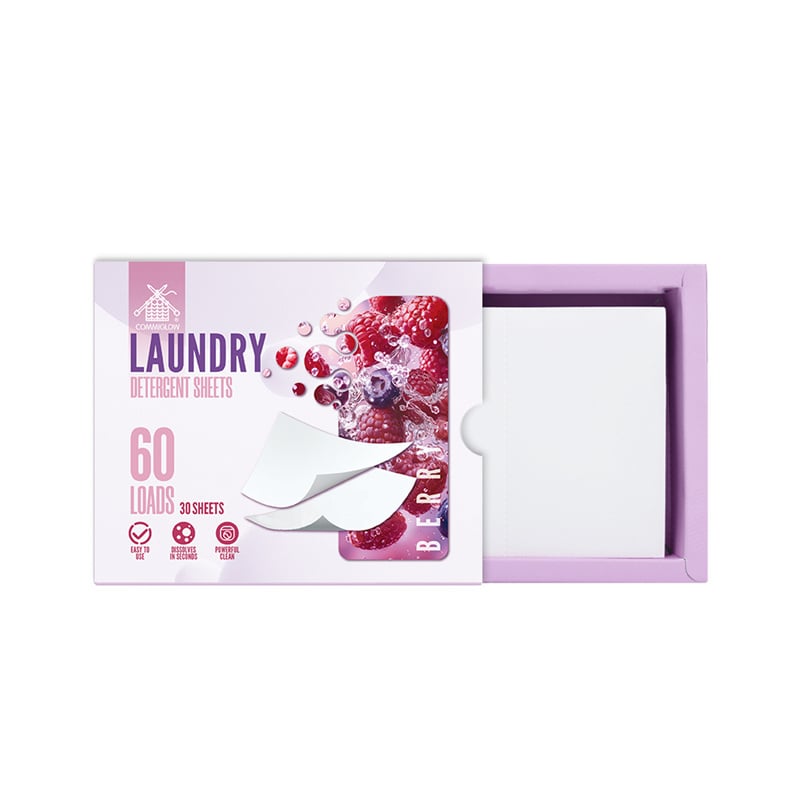
Comparing Cost Factors for Plant-Based Laundry Detergent Sheets
Understanding the cost factors associated with plant-based laundry detergent sheets is vital for budgeting and procurement decisions. Key elements to consider include:
Raw Material Costs: Prices of plant-based materials can fluctuate based on market availability and sourcing practices. Verify that your supplier maintains a consistent supply chain to mitigate unexpected price changes.
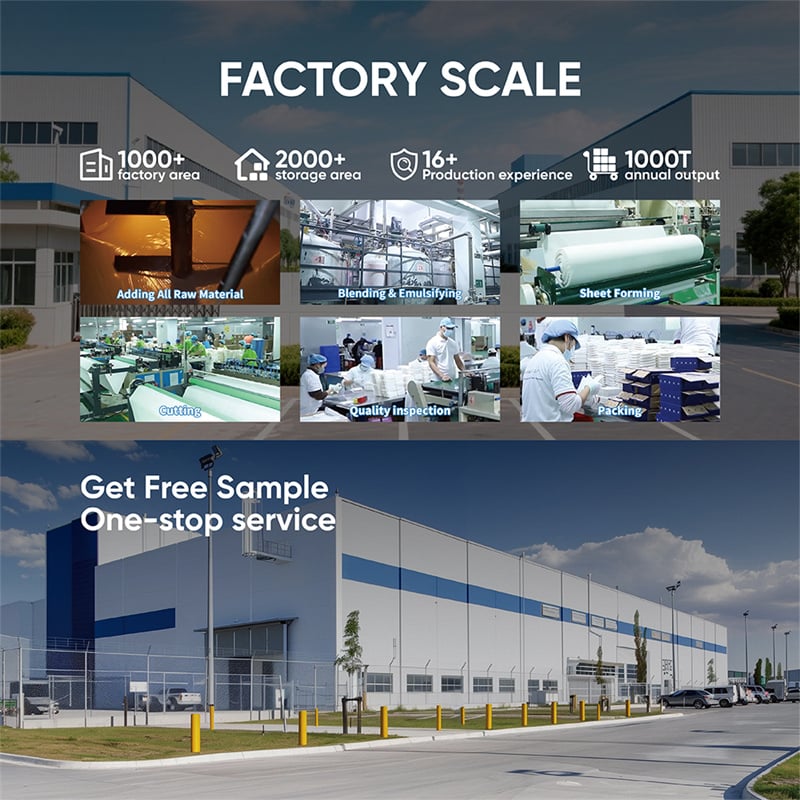
Production Costs: The manufacturing processes used can affect pricing. Ensure that the supplier employs sustainable methods that align with your company’s environmental goals while maintaining cost-effectiveness.
Shipping and Handling: Depending on your location, shipping costs can vary. Consider suppliers that can provide competitive freight options or local distribution to minimize costs.
Volume Discounts: If you anticipate large orders, inquire about pricing tiers or discounts based on order size. This can lead to significant savings over time.
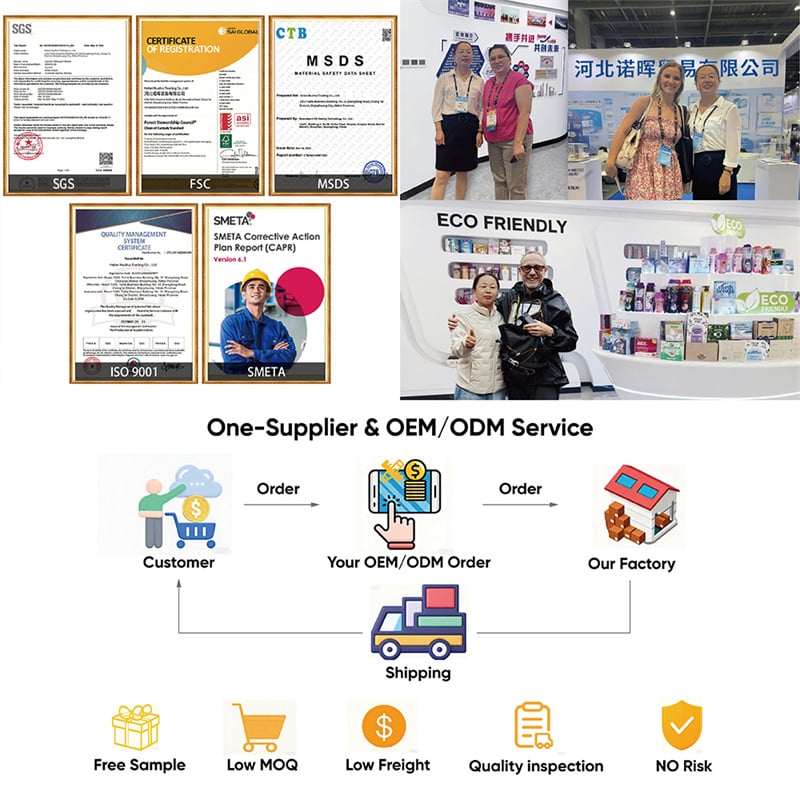
Quality Assurance: The cost of quality control measures should also be factored in. Suppliers that invest in rigorous testing and certifications may have higher upfront costs but can provide long-term savings through reduced returns and enhanced customer satisfaction.