EN
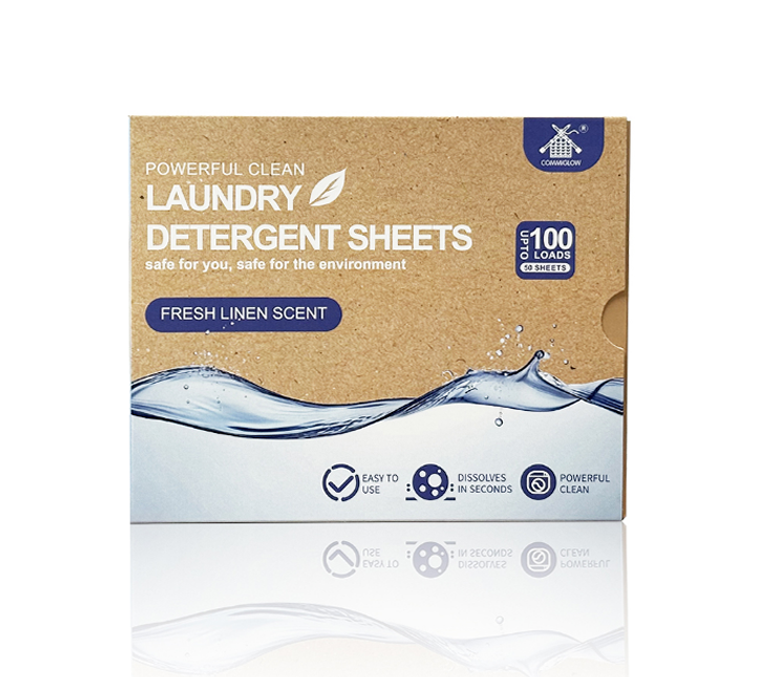
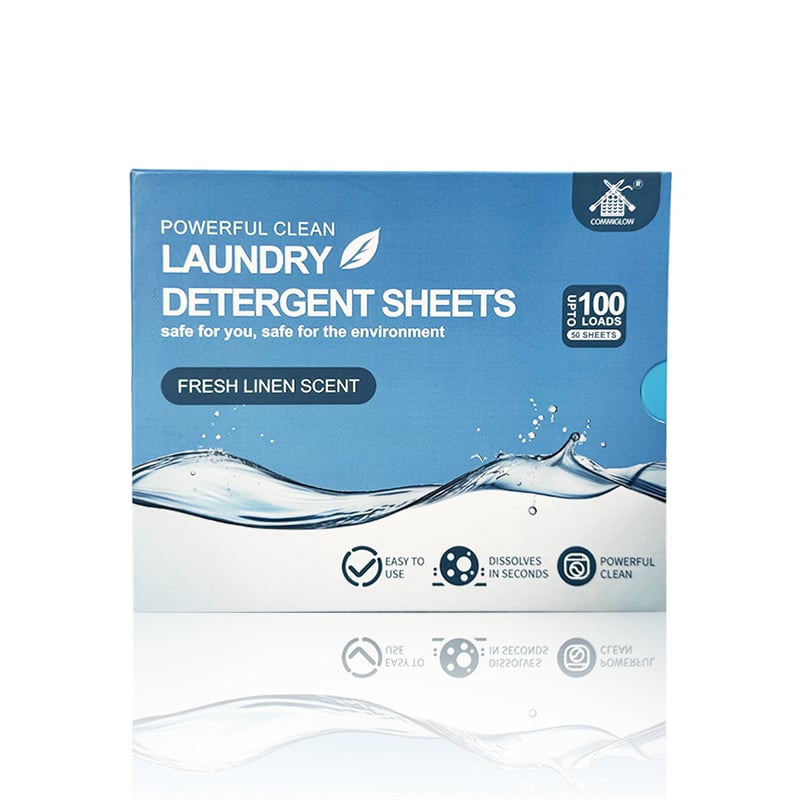
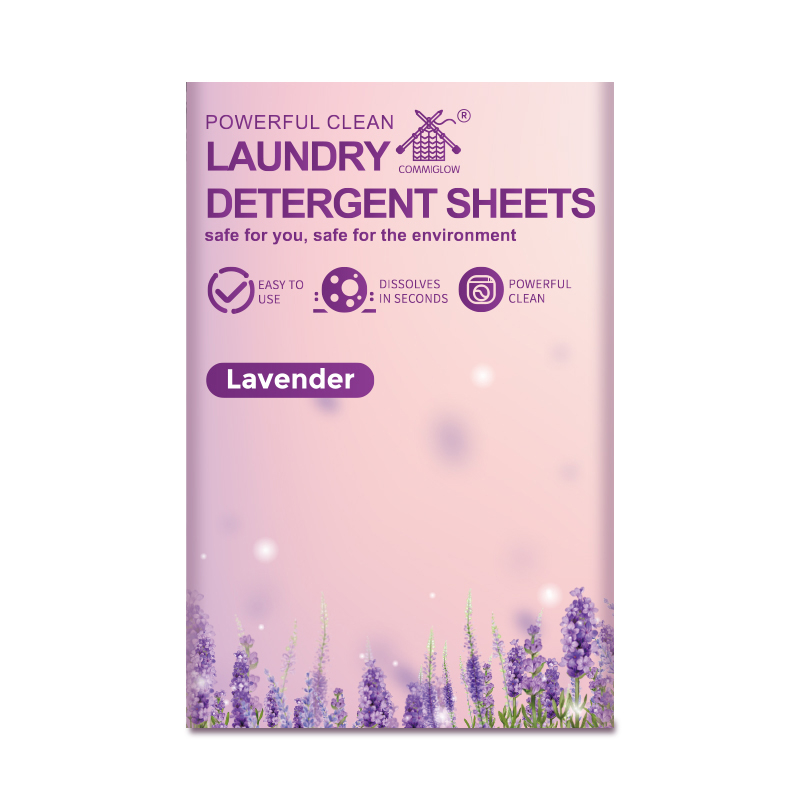
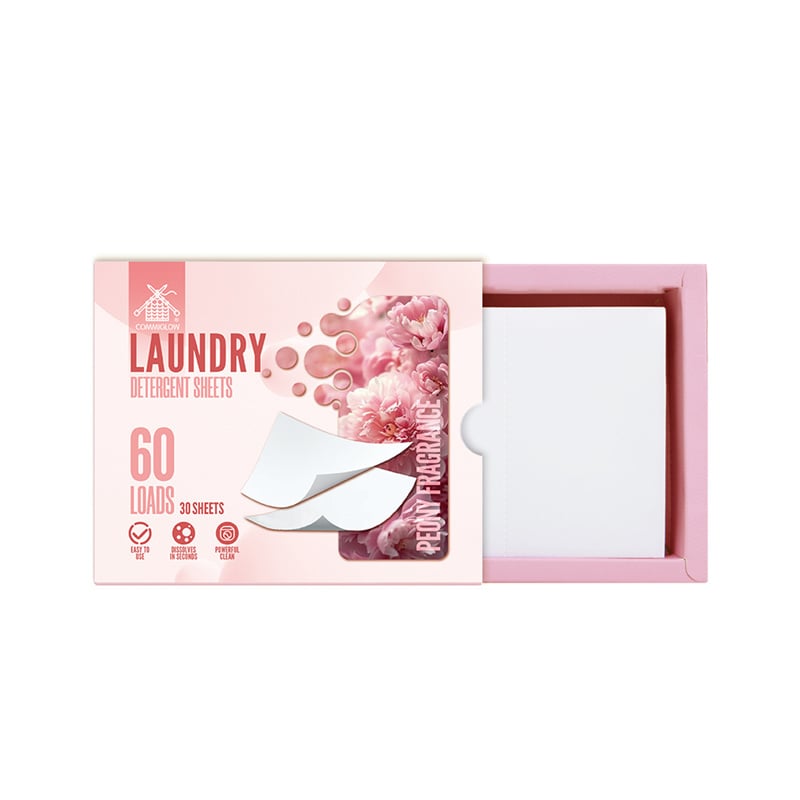
Laundry strips detergent is an innovative cleaning solution designed for both residential and industrial applications. These compact, plant-based sheets offer powerful cleaning without the harsh chemicals found in traditional detergents, addressing key buyer concerns such as effectiveness, environmental impact, and convenience. This article will explore essential specifications, cost factors, applications in industrial settings, common challenges, and tips for evaluating laundry strip detergent quality.

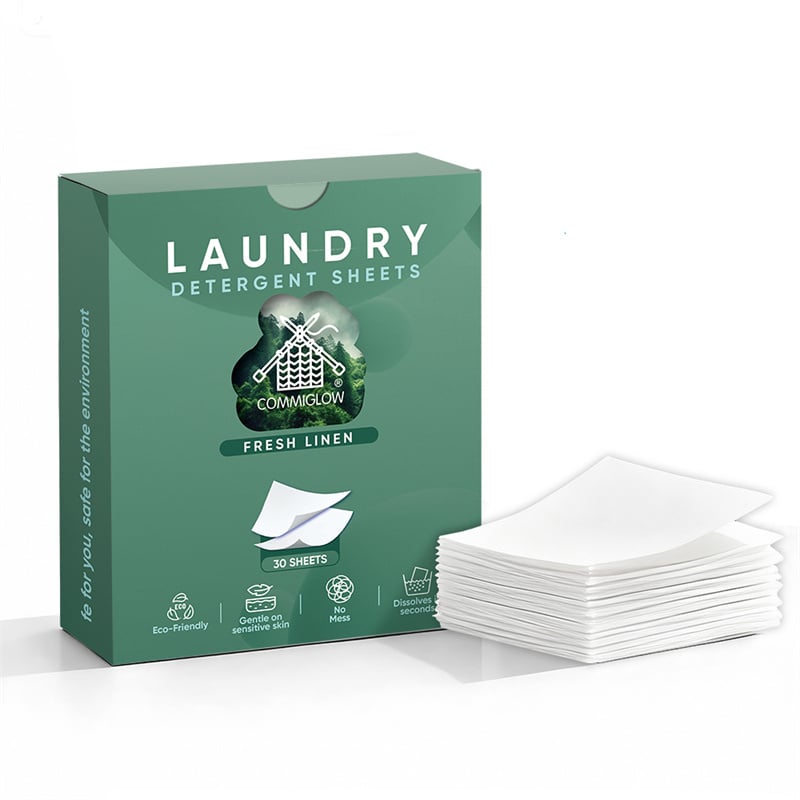
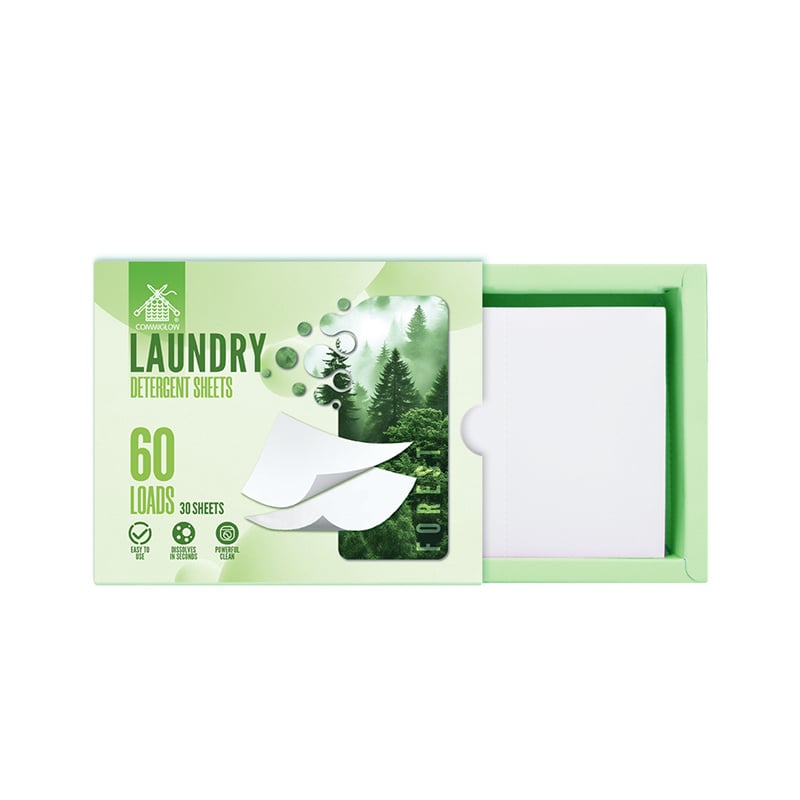
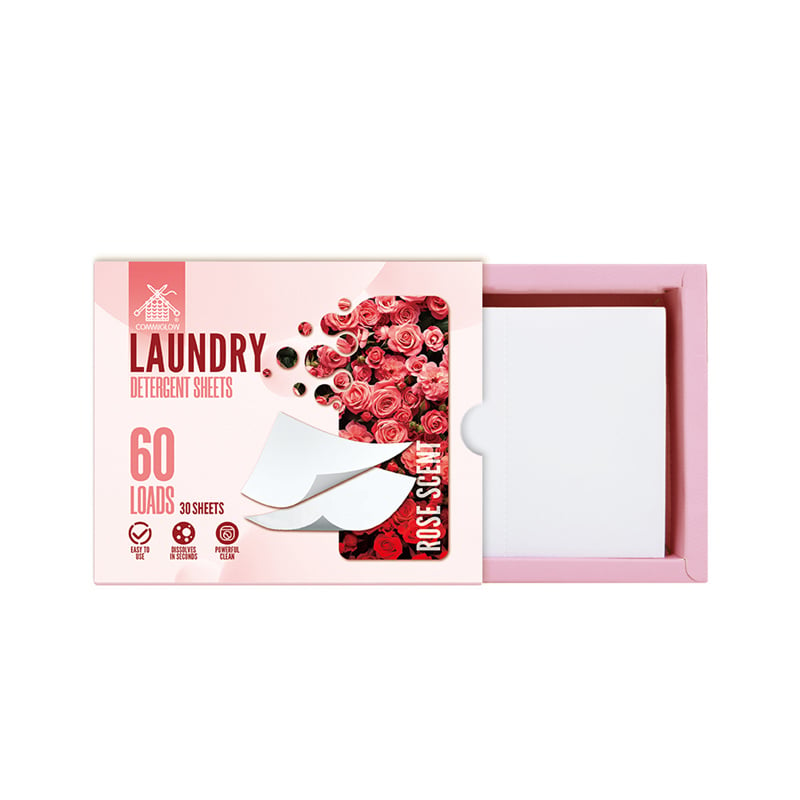
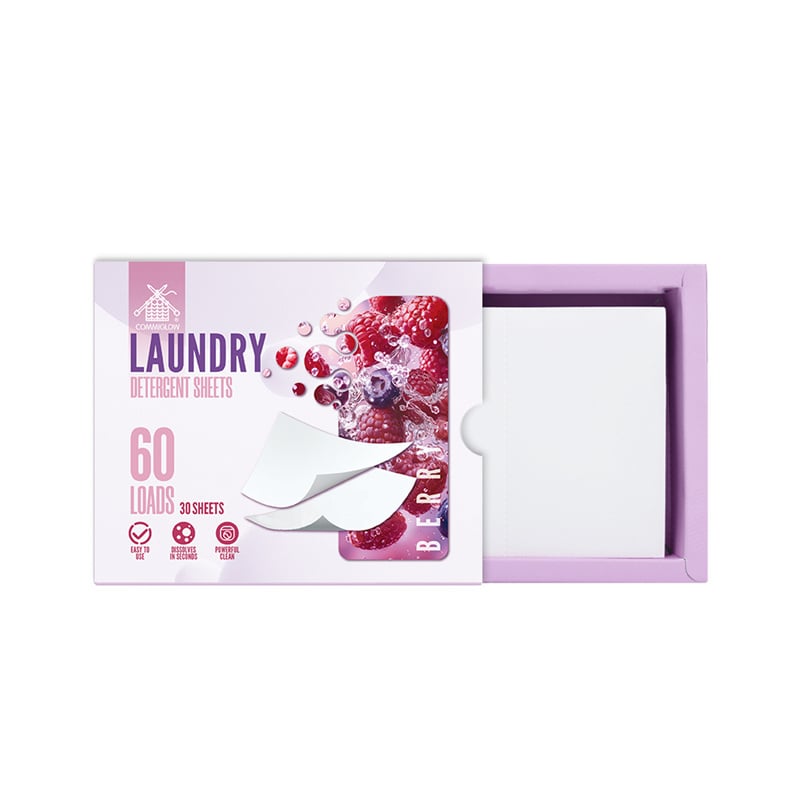

Understanding the Cost Factors of Laundry Strip Detergent
Cost considerations for laundry strips detergent can vary based on several factors:
Raw Material Costs: The price of the ingredients used in the detergent will directly influence the overall cost. Plant-based materials may be more expensive than synthetic counterparts but offer added environmental benefits.
Production Scale: Larger production runs can reduce the cost per unit. Buyers should consider their order volumes and whether they can commit to minimum order quantities (MOQs) to benefit from bulk pricing.
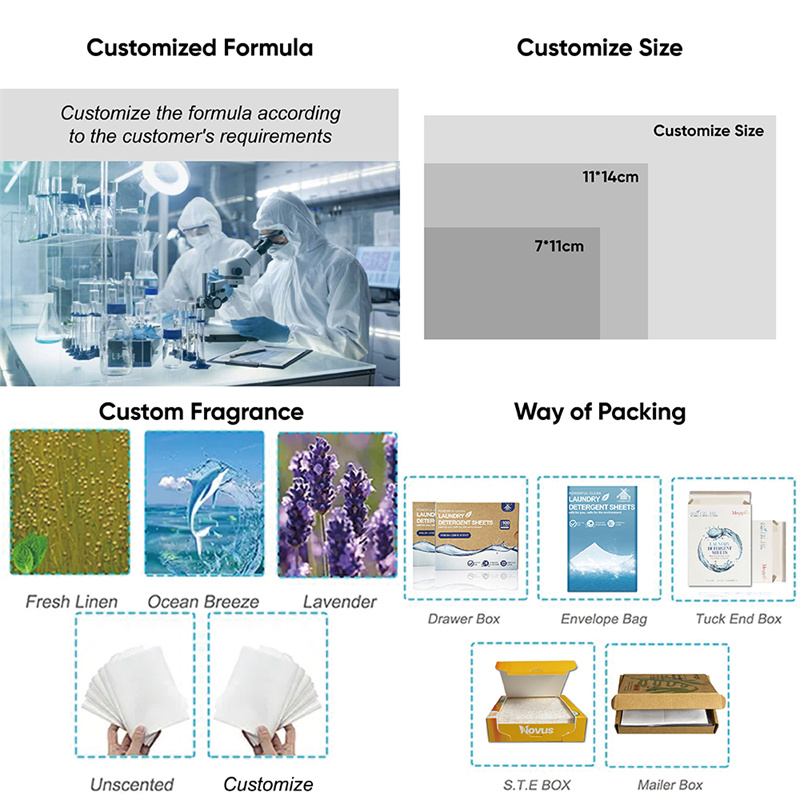
Customization Needs: If specific formulations or packaging options are required, additional costs may be incurred. Customization can enhance the product's appeal but may also affect lead times and pricing.
Shipping and Import Costs: For international buyers, shipping fees, tariffs, and import duties can significantly affect the final purchase price. It's essential to factor these costs into your budget when evaluating suppliers.
Quality Assurance: Products backed by rigorous quality control processes may come at a premium, but they often result in lower defect rates and higher customer satisfaction.
Understanding these cost factors enables buyers to assess the total cost of ownership and make informed purchasing decisions.