EN
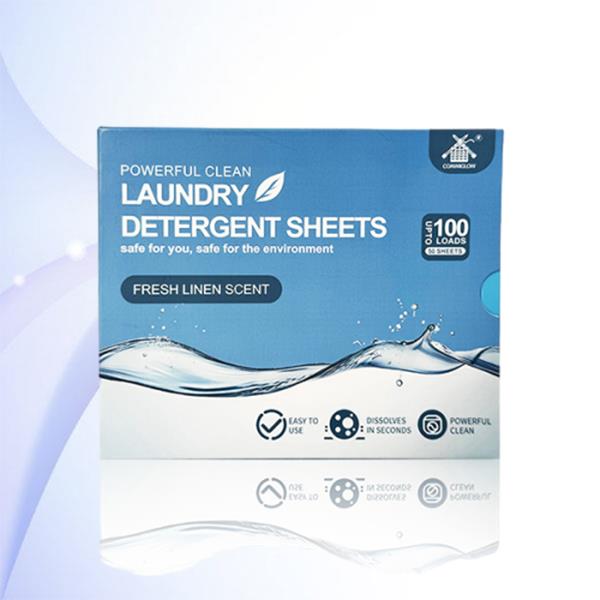
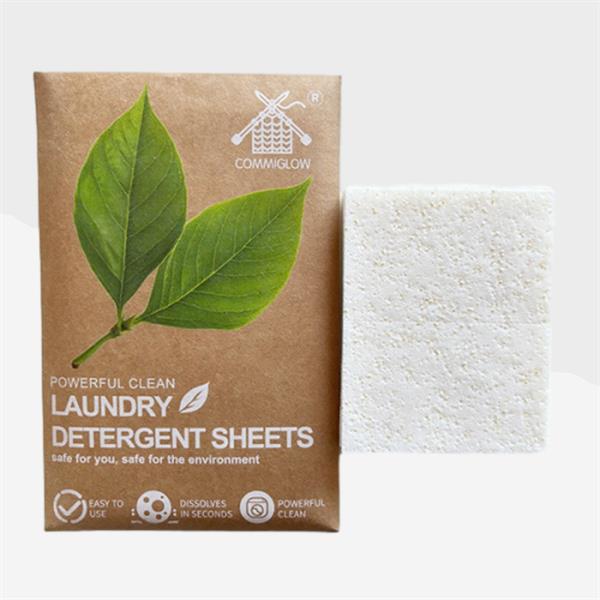
Laundry detergent sheets are an innovative and eco-friendly alternative to traditional liquid and powder detergents, designed to simplify the washing process while reducing environmental impact. For B2B buyers—such as purchasing managers, distributors, and product managers—key concerns often revolve around product efficacy, cost-effectiveness, and sustainability. This article aims to address these concerns by providing insights into the key factors influencing laundry detergent sheets, their cost implications for distributors, common challenges associated with them, their ingredient composition, and guidance on their efficient use.

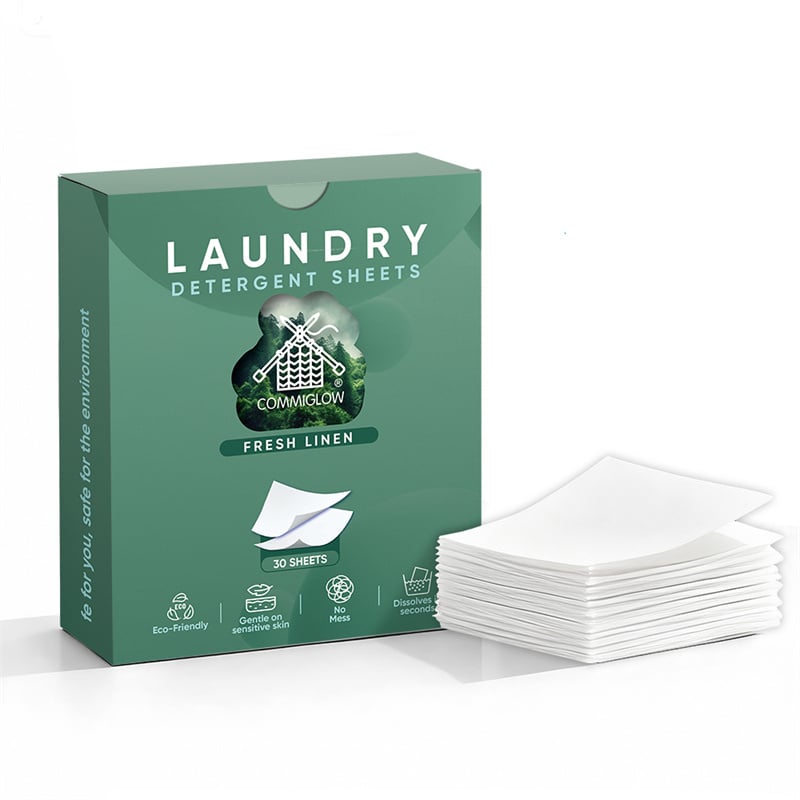
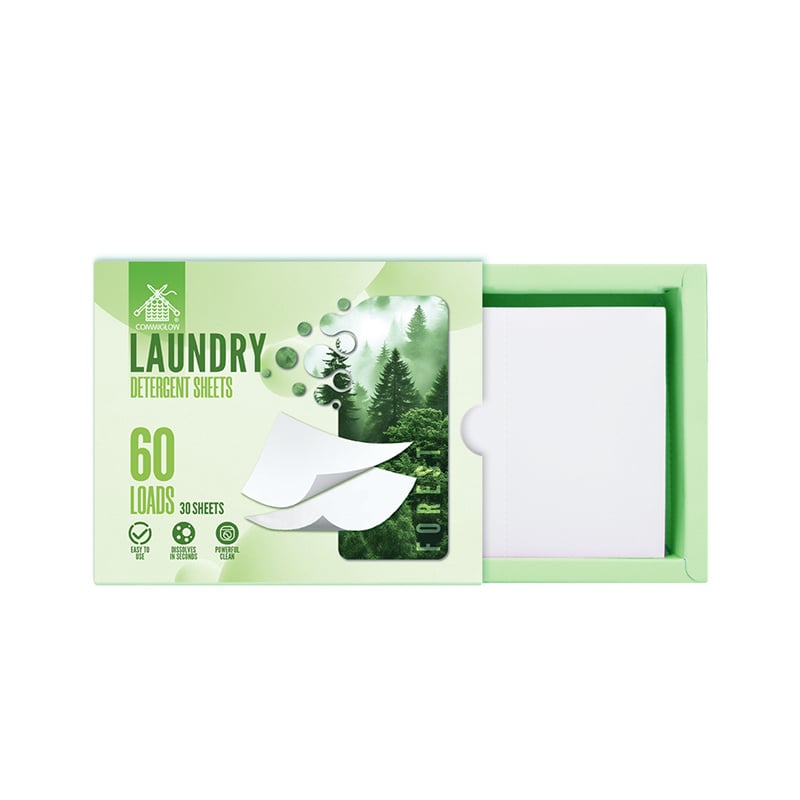
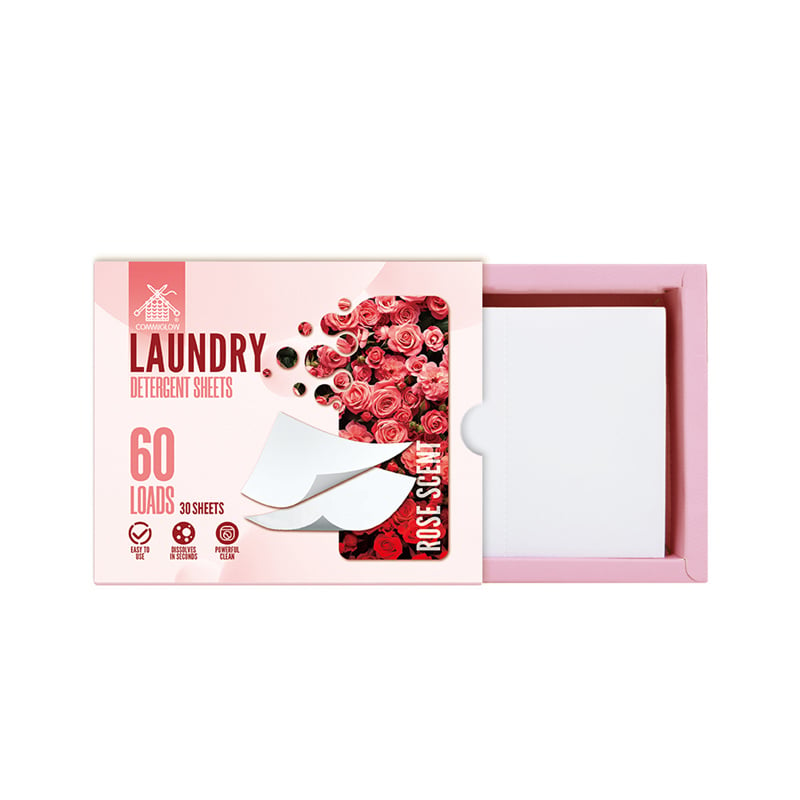
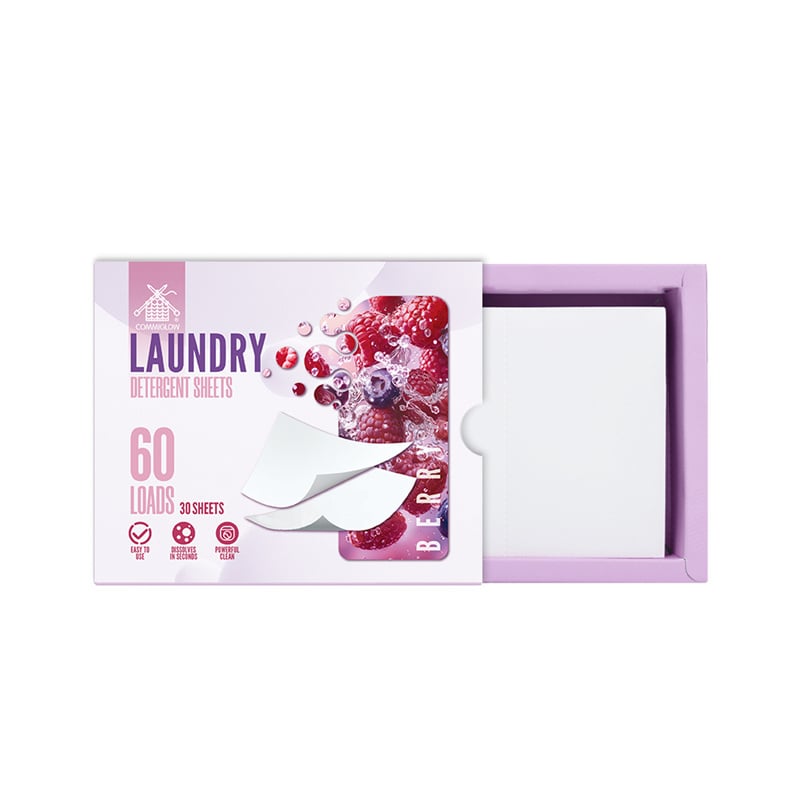
Understanding the Cost of Laundry Detergent Sheets for Distributors
The cost structure of laundry detergent sheets can vary significantly based on several factors. For distributors, understanding these nuances is essential for effective pricing strategies. Key cost components include raw materials, manufacturing processes, packaging, and transportation.
Plant-based materials tend to be more expensive than traditional synthetic alternatives. However, the long-term benefits of reducing environmental impact and meeting consumer demand for sustainable products can justify these costs. It’s also important to consider the Minimum Order Quantity (MOQ) when negotiating prices; larger orders typically yield better pricing tiers.
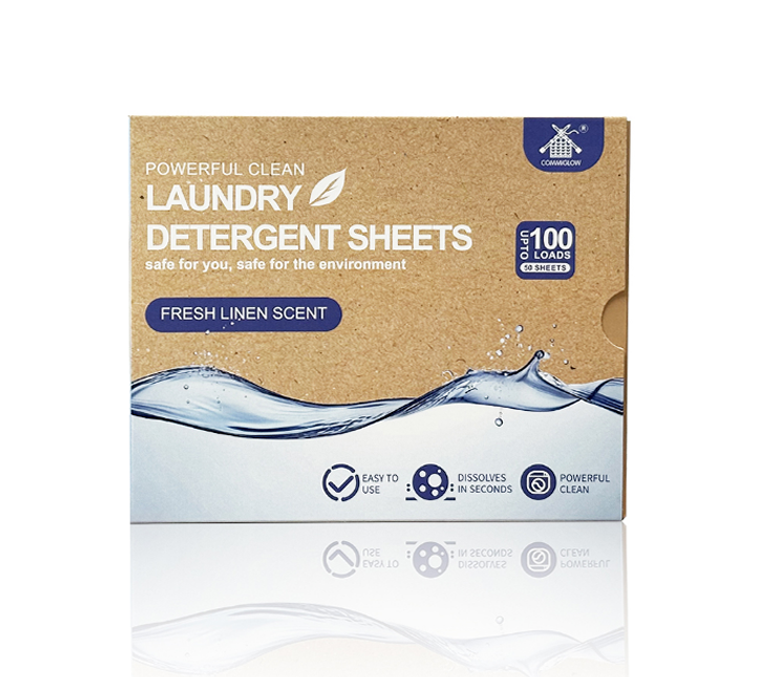
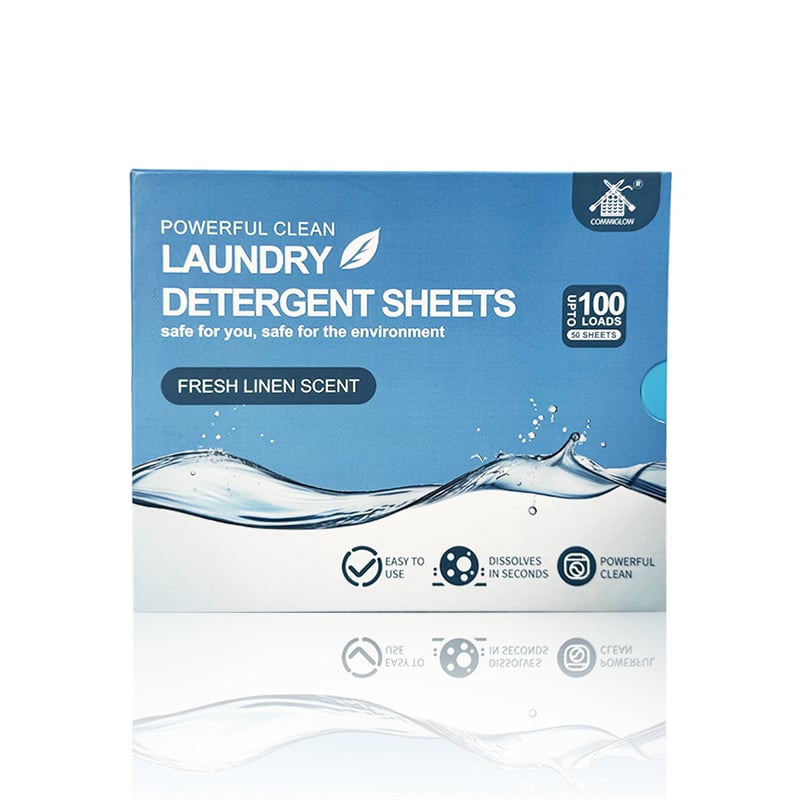
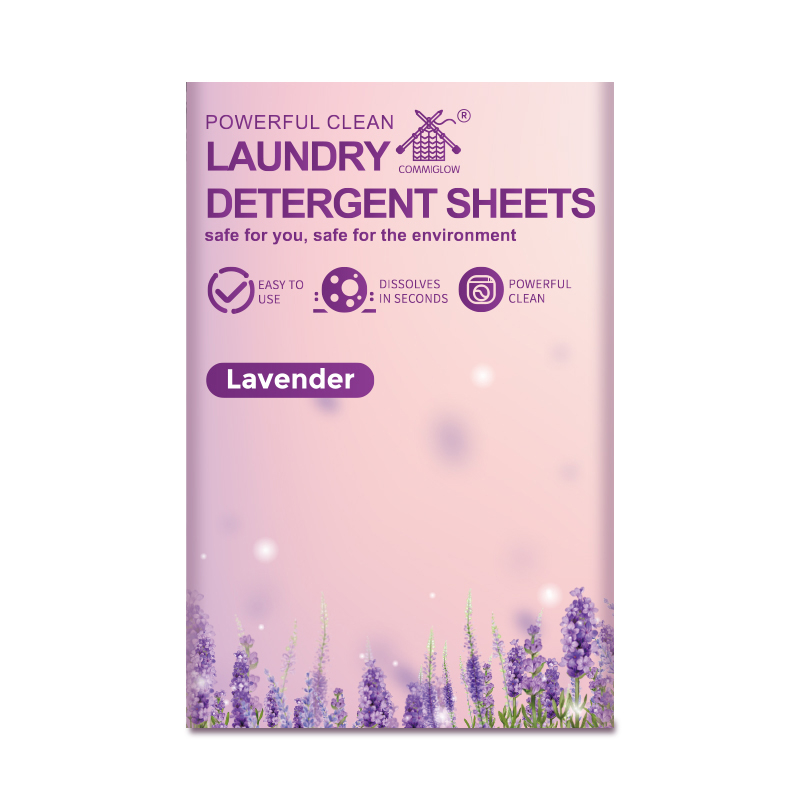
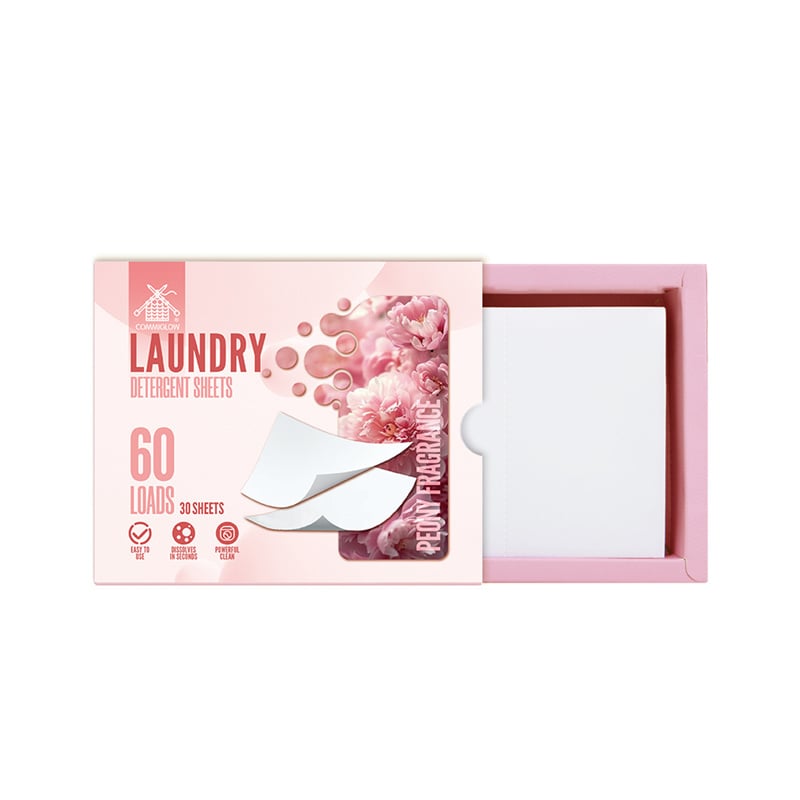
Additionally, packaging plays a role in overall cost. Eco-friendly packaging may incur higher upfront costs but can attract environmentally conscious consumers, potentially leading to higher sales volumes. Distributors should also factor in logistics costs related to shipping lightweight sheets, which could offer savings over heavier liquid detergents. For example, the ECO Friendly Active Enzyme Laundry Detergent Sheet exemplifies an effective product that balances cost and sustainability.