EN
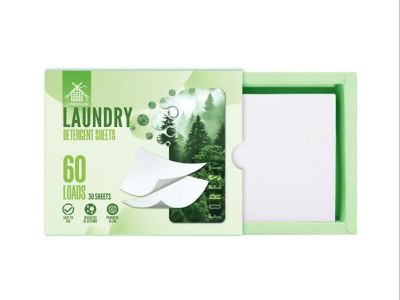
Antibacterial soap sheets are innovative hygiene products designed for convenience and effectiveness in both personal and commercial settings. These compact, plant-based sheets provide an eco-friendly alternative to traditional liquid soaps, offering powerful antibacterial properties without harsh chemicals. For B2B buyers, key concerns include product specifications, quality, sourcing, and installation. This article aims to guide purchasing managers, distributors, and other professionals through the essential aspects of antibacterial soap sheets, enabling informed decisions. You may also want to explore our Personal Care Cleaning Series for more related products.
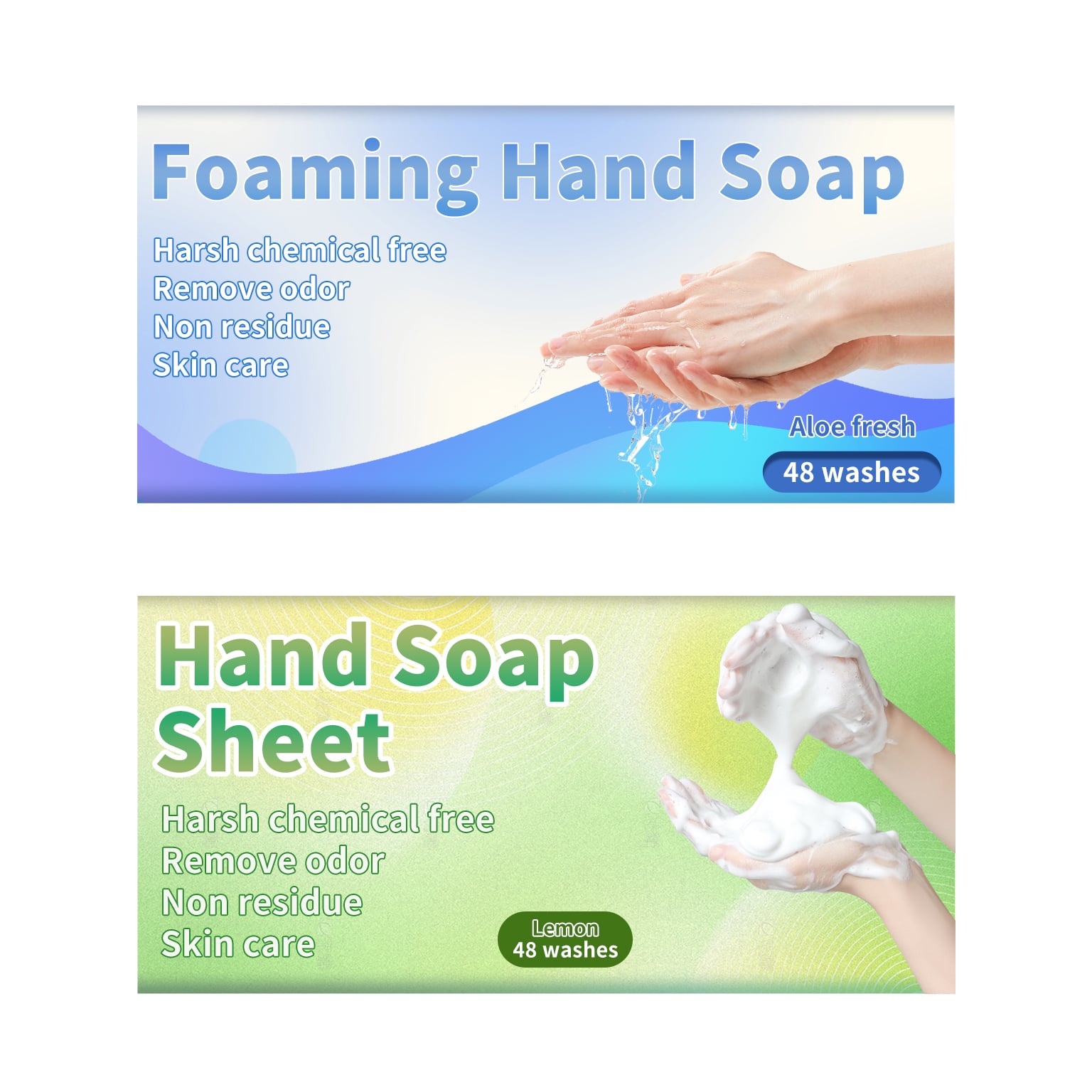
How to Evaluate the Quality of Antibacterial Soap Sheets for Your Business
Quality and cost are intertwined when it comes to purchasing antibacterial soap sheets. As a B2B buyer, understanding how these factors influence the overall value is essential.
Quality Assurance: Ensure that the manufacturer implements a robust quality control process. This may include testing for antibacterial effectiveness, durability, and compliance with international safety standards. Certifications such as ISO or GMP can indicate a commitment to quality.
Cost Factors: While lower prices can be tempting, buyers should consider total cost of ownership, which includes shipping, handling, and potential disposal costs. Evaluate whether the product's quality justifies the price, particularly in high-use environments where durability impacts overall expenditure.
Minimum Order Quantity (MOQ): Different manufacturers will have varying MOQs, which can significantly affect pricing. Understanding these quantities can help buyers negotiate better terms based on projected usage.
By balancing quality with cost considerations, buyers can make purchases that provide both value and reliability.